
Fire safety is a very important practice no matter who you are, or where you are. In the case of older adults, it’s especially more significant sincie their bodies aren’t as robust anymore. Changes in mobility, hearing, vision, and reaction time may make it harder to respond quickly to a fire.
Fortunately, many home fires can be prevented with a few practical changes. Knowing the most common risks, as well as how to avoid them–or to deal with them at the worst case–is an important part of keeping older adults safe at home.
Identify Common Fire Hazards
Start by looking around the home for anything that could start a fire or make an escape more difficult.
Common hazards include:
- Unattended cooking
- Space heaters placed near furniture or bedding
- Damaged electrical cords or overloaded outlets
- Candles and other open flames
- Smoking materials
- Clutter blocking hallways, stairs, and exits
- Appliances left running or unattended
The U.S. Fire Administration recommends home fire-safety assessments for older adults to help identify and address hazards.
A regular walk-through of the home can catch problems before they become emergencies. Pay particular attention to the kitchen, bedrooms, heating equipment, electrical outlets, and escape routes.
If additional support is needed, a family member, caregiver, or trusted friend can help with the inspection and any changes that need to be made.
Make Sure Smoke Alarms Work
Smoke alarms provide an early warning that can give people more time to escape. The Consumer Product Safety Commission recommends smoke alarms inside every bedroom, outside sleeping areas, and on every level of the home. Carbon monoxide alarms should also be installed outside sleeping areas.
Test smoke alarms regularly and replace alarms that are more than 10 years old. Follow the manufacturer’s instructions for batteries and maintenance.
Hearing loss can make a standard alarm harder to detect, especially during sleep. For those with hearing difficulties, accessible smoke alarm options may include alarms with visual or vibrating alerts.
Make sure everyone in the home can recognize the alarm and knows what to do when it sounds.
Practice Safer Cooking
Cooking is an important area of focus when improving fire safety for seniors. The U.S. Fire Administration recommends staying in the kitchen while frying, grilling, or broiling food and keeping anything that can burn away from the cooking area.
Simple habits can make the kitchen safer:
- Don’t leave cooking unattended.
- Keep towels, paper, curtains, and other flammable materials away from the stove.
- Keep pot handles turned away from the edge.
- Wear fitted clothing while cooking.
- Clean grease and food buildup from cooking surfaces.
- Turn appliances off when finished.
What if a pan catches fire?
Never pour water onto a grease fire or try to carry a burning pan outside.
If it is safe to do so, turn off the burner and cover the pan with a lid. Leave the lid in place until the pan has cooled. If the fire grows or cannot be controlled safely, leave the home and call emergency services from outside.
Use Heating Equipment Safely
Space heaters and other heating equipment can become fire hazards when they are damaged, improperly positioned, or left unattended.
Keep portable heaters on stable surfaces and away from bedding, curtains, furniture, clothing, and other materials that can burn. They should be kept out of hallways and other areas where someone could trip over them.
ESFI recommends safe space-heater practices, including plugging portable heaters directly into a wall outlet rather than using an extension cord.
Before using a heater:
- Check the cord and plug for damage.
- Keep the heater away from anything that can burn.
- Never leave it running unattended.
- Turn it off when leaving the room or going to bed.
Fireplaces and wood-burning stoves should also be properly maintained and used with appropriate screens.
Prevent Electrical Fires
Electrical problems aren’t always obvious, so periodically check cords, outlets, and appliances for signs of damage.
Look for:
- Frayed or damaged cords
- Warm or discolored outlets
- Flickering lights
- Frequently tripped circuit breakers
- Buzzing or crackling sounds
- Appliances that show signs of damage
Avoid overloading outlets or using extension cords as permanent wiring. If there are signs of an electrical problem, have it inspected by a qualified professional rather than attempting a repair yourself.
These small checks can be particularly important as part of a broader home safety routine for older adults.
Create a Fire Escape Plan
Knowing what to do before a fire happens can make an emergency easier to manage.
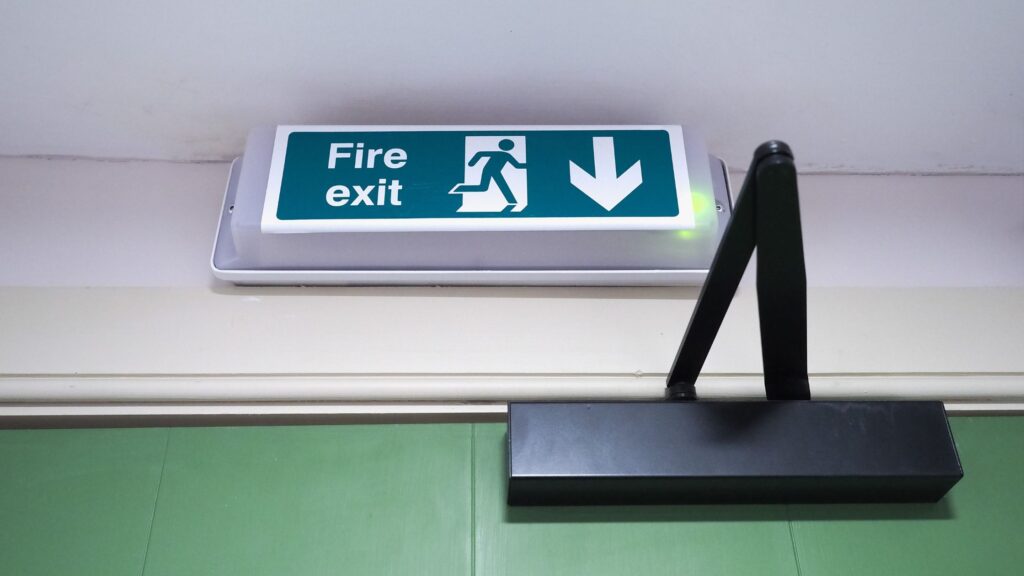
Walk through the home and identify the safest exits from each room. When possible, plan two ways out. Keep hallways, stairs, and doorways clear, and make sure exits can be opened easily.
The escape plan should account for mobility, hearing, and vision needs. If someone uses a walker or wheelchair, make sure the planned route is wide and accessible. If assistance may be needed, identify who can help and make sure that person understands the plan.
Practice the plan regularly and update it when circumstances change.
Most importantly, once outside, stay outside. Don’t go back into a burning home to retrieve belongings.
Take Extra Care When Living Alone
Living independently can make advance planning even more important.
Keep emergency contact information easy to find, and make sure someone you trust knows the fire escape plan. If mobility or other limitations could affect an emergency evacuation, discuss those needs with the people who may be able to provide assistance.
Regular check-ins can also provide an opportunity to notice hazards such as blocked exits, damaged cords, or malfunctioning smoke alarms.
If a loved one already receives assistance at home, reviewing ways home care can help seniors stay safe and comfortable at home may also reveal additional areas where support could be useful.
Fire Safety Checklist for Older Adults
A quick home check can help identify what needs attention:
- Smoke alarms are installed and working.
- Alarms can be heard or otherwise detected by everyone in the home.
- Cooking is not left unattended.
- Heating equipment is kept away from combustible materials.
- Electrical cords and appliances are free from obvious damage.
- Hallways, stairs, and exits are clear.
- A fire escape plan has been created.
- Said plan considers the difficulties the seniors of the family face.
- Emergency contacts are readily available.
- The escape plan has been practiced.
Frequently Asked Questions
What are the most common fire hazards for older adults?
Cooking equipment, heating devices, electrical problems, smoking materials, candles, and other open flames are common household fire hazards. Cluttered escape routes can also make it harder to get out safely.
How can older adults prevent fires at home?
Keep smoke alarms working, stay attentive while cooking, use heating equipment safely, avoid overloaded outlets, keep combustible materials away from heat sources, and maintain clear escape routes.
How can seniors with limited mobility prepare for a fire?
Create an escape plan based on their abilities. Keep pathways clear, make sure mobility aids can reach exits, consider whether a ground-floor sleeping arrangement would help, and identify someone who can assist if needed.
How often should smoke alarms be tested?
Smoke alarms should be tested regularly according to the manufacturer’s instructions. CPSC recommends regular testing, and older-adult fire-safety guidance commonly recommends monthly testing. Alarms that are more than 10 years old should generally be replaced.
Keep Fire Safety Simple and Practical
Fire safety doesn’t have to mean making major changes to a home. Often, the most important steps are simple: keep smoke alarms working, reduce everyday fire hazards, maintain clear escape routes, and practice what to do in an emergency.
A regular home safety check can help catch problems early, while an escape plan ensures everyone knows what to do if a fire occurs. With the right precautions, older adults can make their homes safer while continuing to live as independently as possible.
If keeping an older adult safe at home is becoming harder to manage alone, Absolute Home Care can provide personalized support with everyday routines and safety needs. From helping keep pathways clear and organized to providing an extra set of eyes around the home, the right support can make aging at home feel safer and more manageable. Call us at 1.877.800.9990 or visit our Customized Care page to learn more.