
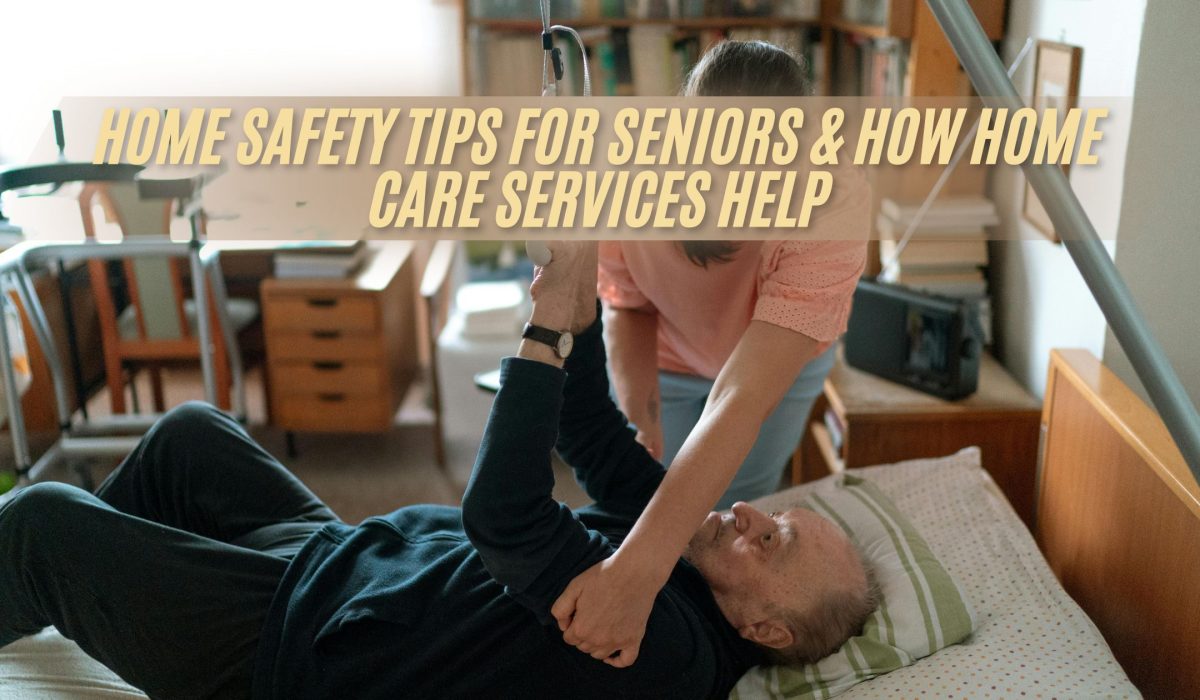
Your aging parents–like the majority of seniors–might have chosen to age in their own home. However, what they don’t realise is that as time goes by, the home they’ve lived in for decades starts working against them. The bathroom floor that was once easy to step over becomes slippery. The stairs they climbed without thinking suddenly feel steep and uncertain. Area rugs that added warmth now bunch up underfoot. And dim lighting that once seemed cozy makes it hard to spot obstacles
These familiar spaces don’t announce themselves as danger. As time goes by, it eventually becomes one as your parents’ balance weakens, vision dims, and reflexes slow. In fact, an older adult visits the emergency room for a fall-related injury every 11 seconds.
Fortunately, most home injuries are preventable with the right modifications and support.
Fall Prevention and Room-by-Room Safety
Living Areas and Hallways
Start with lighting because poor visibility causes more accidents than most people expect:
- Replace dim bulbs with bright, energy-efficient LEDs
- Add motion-sensor lights in hallways and dark corners
- Install night lights for closets and storage areas
- Consider motion-activated lights for closets and storage areas
Remove tripping hazards throughout the home:
- Secure area rugs with non-slip pads or remove them entirely
- Tape down all rug corners and edges
- Clear walkways of electrical cords, books, shoes, and clutter
- Use cord organizers to secure loose wires along walls
Most falls happen during transitions. This includes getting up from chairs, moving between rooms, or walking at night when seniors fumble for light switches while their eyes adjust. Motion-sensor lights work well since seniors often don’t realize their vision has gotten worse. They’re walking based on old assumptions about what they can see.
Kitchen Safety Essentials
Organize for easy access and safety:
- Store frequently used items at waist level
- Install pull-out shelves in lower cabinets
- Move heavy pots and appliances to easily accessible spots
- Keep a sturdy step stool nearby for higher shelves
Fire prevention goes beyond smoke detectors:
- Look for appliances with automatic shut-off features
- Use timers as cooking reminders
- Keep a pot lid within reach for grease fires
- Store dish towels and paper products away from the stovetop
- Test smoke and carbon monoxide detectors monthly
- Replace detector batteries twice a year
Kitchens are particularly dangerous because cooking requires seniors to multitask. It requires them to manage timing, temps, and ingredients while moving around hot surfaces. It masks physical limitations that might have been obvious elsewhere, making the few falls that do occur potentially more serious due to hot appliances and fire risks.
Bathroom Modifications
This room is one of the most accident-prone areas among seniors aging in place, but these changes make a huge difference:
- Install grab bars near the toilet and inside the shower or tub (professional installation required)
- Add non-slip mats in the tub and shower
- Consider a shower chair for added stability
- Set water heater to 120°F to prevent scalding
- Install a handheld showerhead for better control
- Use a bath seat or transfer bench if mobility is limited
While bathrooms rank 3rd in frequency (22.7% of home falls), they are considered the most dangerous. They have the highest rate of serious injuries that require hospital stays.
Bedroom Safety
The bedroom needs attention since older adults navigate it frequently in low light:
- Keep a phone and flashlight within reach of the bed
- Program emergency contacts into bedside phone
- Install motion-sensor nightlight or easy-reach bedside lamp
- Adjust bed height so feet can rest flat on the floor when sitting
- Keep the path from bed to bathroom completely clear
- Remove or secure all area rugs
- Ensure electrical cords run behind furniture, not across walkways
Bedrooms are where the most falls happen at home (25% overall, but jumps to 31.6% for adults over 85). It is especially dangerous during nighttime when seniors try to go to their bathrooms urgently while still disoriented and groggy from sleep. Their blood pressure and balance don’t adjust as fast anymore when they suddenly stand upright.
Many seniors use fewer safety devices in their bedrooms because they treat it as their “safe space” when it’s actually their most vulnerable location.
Outdoor and Entry Safety
Exterior spaces need attention for aging in place safely:
- Install handrails on outdoor steps
- Add motion-sensor lighting for walkways and entrances
- Keep porches, driveways, and pathways clear of debris and leaves
- Use textured, non-slip surfaces on steps and wet areas
- Add a sturdy ramp if stairs become difficult to manage
- Upgrade to easy-operate door locks
- Install peephole or video doorbell for security.
Despite spending only 78-90 minutes outdoors daily, outdoor and indoor falls occur at nearly equal rates. It is because outdoor environments pose concentrated risks during that brief exposure time.
How Home Care Services Enhance Safety
Professional caregivers bring expertise that families often miss. They conduct thorough home assessments, identifying hazards before accidents happen. It’s not a one-time thing. Rather, it’s a continuous cycle of monitoring and prevention.
A home care professional notices subtle changes like favoring one leg or seeming unsteady. They can adjust care plans immediately, perhaps by adding grab bars in new locations you haven’t thought of or recommending physical therapy before mobility worsens.
Medication management is another critical safety component for older adults. Mixing up pills or skipping doses can cause dizziness, confusion, or dangerous interactions. Professional caregivers organize medications, provide reminders, and watch for side effects that increase fall risk.
Emergency response becomes seamless with professional care. Instead of relying on your loved one to remember to wear a medical alert device or hoping they can reach a phone after a fall, caregivers provide immediate assistance and know exactly who to call.
When DIY Isn’t Enough
If your loved one has fallen multiple times, even minor tumbles, it’s time for a professional assessment. The same goes if they’ve started avoiding certain areas of the house or activities they used to enjoy. Recognizing when caregiving exceeds your capacity is crucial for everyone’s safety and well-being.
Cognitive changes require specialized approaches. Seniors with dementia need secure storage for dangerous items, modified locks to prevent unsafe wandering, and constant supervision that family members can’t always provide.
Physical limitations like severe arthritis, recent surgery, or chronic conditions that affect balance call for professional oversight. A trained caregiver can help with transfers, mobility assistance, and personal care while maintaining safety protocols.
The Cost of Prevention vs. Reaction
Home modifications and professional care cost money upfront, but consider the alternative. A serious fall leading to hospitalization, surgery, and extended rehabilitation can cost tens of thousands of dollars, not to mention the emotional toll on families.
Many insurance plans cover home safety assessments and certain modifications when prescribed by a doctor. Medicare may cover grab bars, shower chairs, and other safety equipment when deemed medically necessary. Professional home care often costs less than nursing home placement while allowing your loved one to maintain independence in familiar surroundings. You could make a more informed decision by understanding your care options and their costs first.
Top Questions
When should I consider professional home care for my parent?
Consider professional care if your loved one has fallen multiple times, struggles with daily activities, misses medications regularly, or shows cognitive changes. Even a few hours weekly can significantly improve safety.
What are the most dangerous rooms for seniors?
Bathrooms see the most accidents due to wet, slippery surfaces. Stairs and kitchens rank second because of fall risks and fire hazards. Bedrooms become dangerous at night when visibility is poor.
Your Next Steps
Start with a room-by-room safety assessment using a comprehensive checklist from the CDC’s STEADI program or National Institute on Aging. Address immediate hazards like loose rugs and poor lighting first.
Consider a professional home safety evaluation, especially if your loved one has had any falls or near-misses. Many home care agencies offer these assessments at no charge and can provide both modification recommendations and ongoing care solutions. When evaluating, knowing the right questions to ask ensures you find the best fit for your family’s needs.
If you’re concerned about your loved one’s safety and need professional support, Absolute Home Care specializes in helping families in this exact situation. Call 1.877.800.9990 or visit our Customized Care page to learn how we can create a safety plan tailored to your family’s needs.