
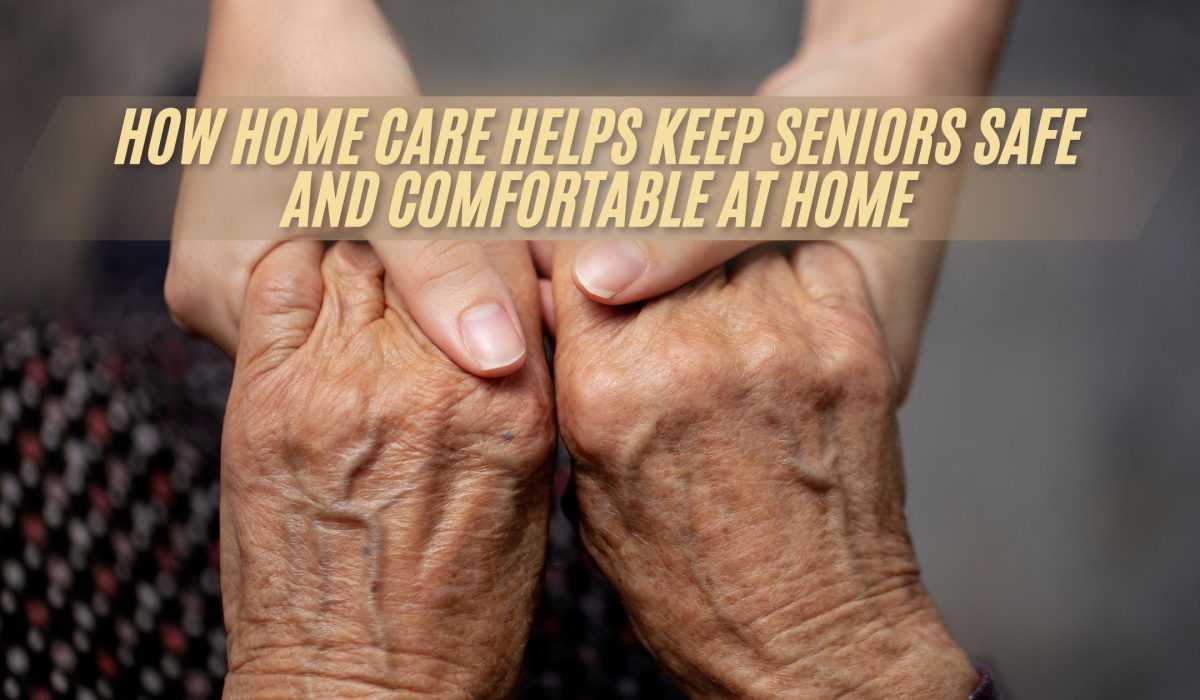
As you’re reading this, you’ve most likely heard of “aging in place” or “home care” often. It is a very popular opinion amongst older adults, and for good reason. After all, it is a comforting thought to be able to stay at your home while you age. But while it does sound simple, actually doing it is very different from just wanting it.
Only a few families are prepared for this. In fact, 73 million Baby Boomers are heading toward retirement by 2030, yet only four family caregivers are available per senior (down from seven).
At its heart, home health care is more than just help with chores or meals. It’s about making sure your parent or loved one can keep living life on their own terms—in the home they love, surrounded by familiar routines, while still having the support they need to feel safe and cared for.
What Makes Home Care Different
Care at home offers focused attention that institutional settings simply cannot match. Unlike facilities where staff divide time among many residents, caregivers provide dedicated, one-on-one support tailored to your loved one’s specific needs.
Home Care Keeps Families Together

Prevents Avoidable Hospital Visits
Families often worry about safety when deciding on care options. But research shows seniors with home care experience up to 46% fewer hospitalizations. Here’s why:
- Medication Management: Professional oversight prevents dangerous drug interactions and missed doses
- Fall Prevention: Environmental modifications and mobility support dramatically reduce injury risk
- Early Warning Detection: Trained caregivers spot health changes before they become emergencies
- Chronic Condition Management: Regular monitoring keeps conditions stable and manageable
Emergency Response and Peace of Mind
Professional caregivers provide immediate response capabilities that give families peace of mind. They’re trained to handle medical emergencies, coordinate with healthcare providers, and ensure your loved one receives appropriate care when every minute counts.
Rather than replacing family relationships, quality home care enhances them. When professional caregivers handle medical tasks and daily assistance, family members can return to their natural roles – being children, spouses, and grandchildren rather than full-time caregivers.
Home Care Supports Autonomy
To maintain independence is one of the top priorities of seniors care, and in-home support makes it possible. Rather than taking over completely, quality home care:
- Supports decision-making rather than replacing it
- Encourages self-sufficiency in areas where seniors can still manage
- Provides assistance only where truly needed
- Adapts services as needs change over time
Home Care Saves You Money
Comparing Care Options
Cost-effectiveness is a major advantage of home care:
- Nursing Facilities: $4,500-$8,000+ per month (fixed costs regardless of needs)
- Assisted Living: $3,000-$6,000+ per month (limited customization)
- Home Care: Customized care per hour (pay only for services needed)
Families can start with just a few hours per week and increase services as needed, making home care far more financially sustainable for most families.
Hidden Cost Savings
Home care prevents costly medical crises through:
- Reduced emergency room visits
- Fewer hospitalizations
- Prevention of medication errors
- Early intervention before problems escalate
Home Care is Beyond Physical Care
Companionship and emotional support are often the most valuable aspects of these services. Studies found that seniors who remain socially connected have lower risks of cognitive decline, cardiovascular disease, and depression. Professional caregivers provide:
- Social interaction that combats loneliness and isolation
- Encouragement for hobbies and interests
- Mental stimulation through conversation and activities
- Emotional stability during difficult health transitions
Home Care Gives You Relief
The Hidden Burden of Family Caregiving
Family caregiving is often called a “hidden job.” Relief for family caregivers comes when professional support allows them to:
- Maintain their own work and family responsibilities
- Avoid caregiver burnout and health problems
- Preserve positive relationships with their loved ones
- Get adequate rest and maintain their own well-being
Family Involvement on Your Terms
Home care enables healthy family involvement by:
- Removing the stress of 24/7 responsibility
- Allowing quality time focused on relationships, not tasks
- Providing expert support for complex medical needs
- Ensuring professional oversight of critical care elements
Home Care Improves Quality of Life
The Power of Familiar Surroundings
Comfort in familiar surroundings provides measurable health benefits. Research shows seniors at home experience:
- Reduced anxiety and depression
- Better sleep patterns
- Improved appetite and nutrition
- Enhanced cognitive function, especially important for dementia patients
Convenience That Supports Independence
Home care provides convenience without sacrificing quality:
- Healthcare appointments coordinated in-home when possible
- Transportation support for necessary outings
- Meal preparation based on personal preferences
- Household assistance that maintains familiar routines
Home Care Provides Faster Recovery and Better Health Outcomes
Faster Recovery at Home
Medical research consistently shows patients recover more quickly in familiar environments. Home care supports faster recovery through:
- Reduced stress from unfamiliar surroundings
- Personalized rehabilitation programs
- Family support systems that boost morale
- Infection control advantages over institutional settings
Focused Attention for Better Results
Unlike facilities where staff attention is divided, home care provides focused attention that leads to:
- More consistent medication compliance
- Better physical therapy adherence
- Improved nutrition and hydration
- Enhanced mental health support
Building Your Home Care Foundation
The Importance of Home Health Care for Long-Term Planning
Understanding the importance of home health care means seeing it as an investment in your loved one’s future quality of life. Quality home care:
- Creates sustainable care plans that evolve with changing needs
- Builds relationships that provide continuity and trust
- Develops emergency protocols tailored to specific health conditions
- Coordinates with existing healthcare providers for seamless support
Technology and Modern Home Care
Today’s home care incorporates technology to enhance safety and communication:
- Remote monitoring systems for health tracking
- Medication dispensers with automated reminders
- Emergency alert systems with immediate response
- Family communication apps for updates and coordination
Making the Right Choice for Your Family

Questions to Ask When Choosing Home Care
Before selecting a home care provider, keep these questions in mind (see our guide to asking the right questions for a deeper dive):
- How does the agency train its caregivers?
- What emergency protocols are in place?
- How do they ensure continuity of care?
- What happens if a regular caregiver is unavailable?
- How do they handle medication management?
- What family communication systems do they use?
Cultural Considerations in Home Care
Quality home care respects cultural values and traditions. This includes:
- Language preferences and communication styles
- Religious practices and dietary requirements
- Family structure and decision-making processes
- Traditional approaches to health and wellness
The Path Forward
Home health care transforms aging from something that happens to you into something you actively manage. It’s about creating an environment where seniors can continue growing, contributing, and finding meaning in their daily lives.
The question isn’t whether your loved one can simply remain at home – it’s how they can live their fullest, safest, and most meaningful life there.
Ready to explore how home care can support your family? Absolute Home Care is here to help. Visit our Customized Care page to get started, or call us directly at 1.877.800.9990. Together, we’ll find the support that helps your loved one fully live their life at home.