
Table of Contents
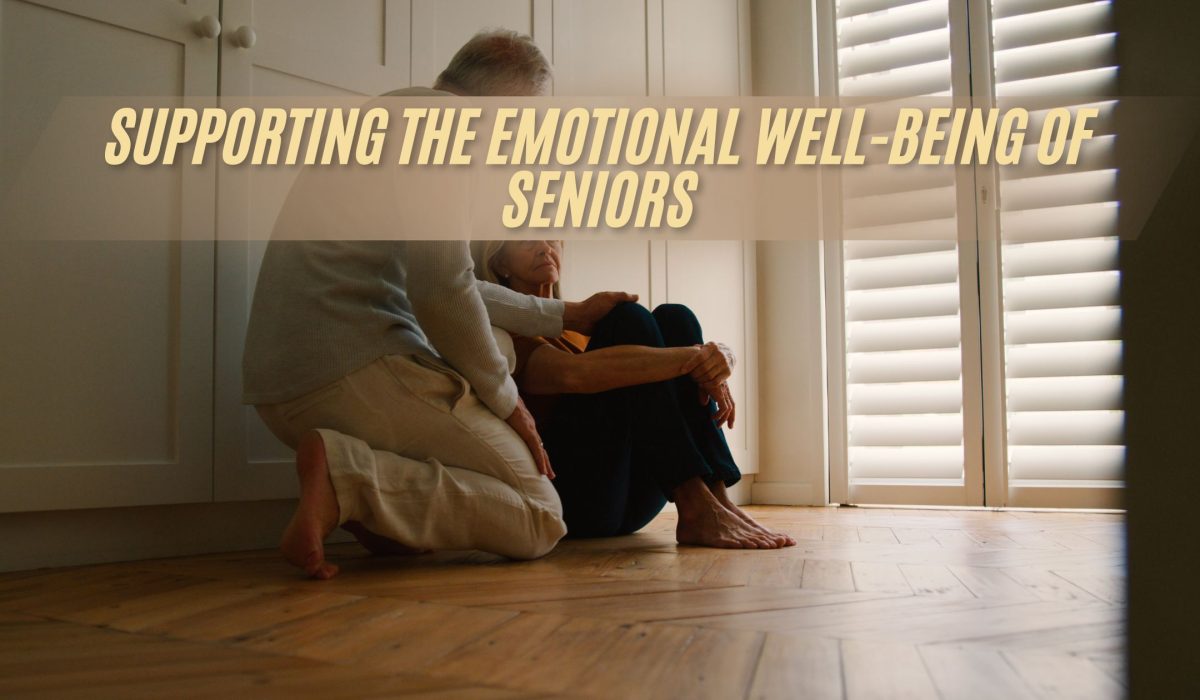
Aging brings new opportunities for growth, connection, and wisdom. At the same time, it can bring challenges that weigh on the emotional well-being of seniors. Changes in health, independence, and social roles often shape how older adults feel every day. As routines change and familiar roles revolve, it can eventually have a direct impact on the emotional well-being of seniors.
Their emotional well-being often depends on how they adapt to these changes, as well as the support they receive from the people around them. When older adults feel connected, valued, and capable, they are more likely to find balance and satisfaction in daily life, even as circumstances change.
Why Emotional Well-Being Matters in Aging
Emotional health is just as important as physical health later in life. In fact, about one in five of adults over 60 live with a mental health condition, most often depression or anxiety.
When seniors struggle emotionally, it affects more than just mood. You may notice low energy, poor sleep, and existing health conditions worsening. Untreated mental health issues in older adults can lead to:
- Higher risk of cognitive decline and dementia
- More hospital and ER visits
- Reduced quality of life and loss of independence
- Greater risk of early death
- Added stress and burden on family caregivers
On the other hand, when seniors feel emotionally supported, they bounce back from setbacks more quickly, maintain independence, and stay connected with loved ones. Good emotional health helps them adapt to change and live with purpose and peace of mind.
Senior Mental Health is Overlooked
Too often, seniors don’t get the help they need. Approximately 70% of older adults with depression never receive appropriate mental health treatment. This happens due to several reasons:
- Overlapping symptoms with physical health conditions
- Stigma surrounding mental health in older generations
- Misconceptions that depression is a “normal” part of aging
- Limited access to specialized geriatric mental health services
This is where you come in. By paying attention to changes like sudden changes, you can take the first step in getting your loved one the right care at home.
Common Psychological Conditions in Aging Adults
As you support an older loved one, it helps to know the most common mental health challenges they face and the warning signs that mean it’s time to take action.
Depression in Older Adults
Depression is one of the most common mental health issues in later life. It can look different from depression in younger people. Watch for:
- Physical complaints like pain, fatigue, or poor sleep
- Trouble concentrating or memory problems that may resemble dementia
- Withdrawing from family and friends
- Losing interest in hobbies or activities once enjoyed
- Worrying more about health or finances
Risk factors for depression include:
- Living with chronic medical conditions
- Feeling isolated or lonely
- Grieving the loss of a loved one
- Side effects from certain medications
- Physical disability or loss of independence
- A past history of depression
Red flags to act on quickly:
- Talking about feeling hopeless or worthless
- Mentioning death or suicide
- A sudden drop in self-care (not eating, bathing, or taking medications)
Anxiety in Older Adults
Anxiety in older adults can affect daily routines, relationships, and even medical care. Studies show that anxiety affects about 10-15% of seniors and often appears alongside depression. It often shows up as:
- Generalized anxiety (constant worry about everyday issues)
- Panic attacks
- Fear of leaving home or being in crowded spaces
- Health or safety-related phobias
- Irritability, restlessness, or trouble sleeping
When anxiety becomes severe, it can keep someone from leaving the house, attending doctor visits, or enjoying family time.
Cognitive Health and Dementia
Dementia is not a mental health condition by itself, but it deeply affects emotional well-being. More than 6 million Americans live with Alzheimer’s or related dementias, and it is expected to rise sharply in the coming decades. As memory loss progresses, you may notice:
- Increased anxiety or depression
- Mood swings or personality changes
- Sleep problems
- Pulling away from social activities
- Stress that also impacts family caregivers
If your loved one’s behavior suddenly changes, showing confusion, agitation, or wandering, treat it as urgent and seek medical attention.
Substance Use in Senior Populations
Alcohol misuse and prescription drug misuse are growing concerns among aging adults, especially among baby boomers. Warning signs include:
- Mixing alcohol with medications
- Running out of prescriptions early
- Drinking alone or in secret
- More frequent falls or injuries
Left unaddressed, substance misuse can spiral into a medical or emotional crisis. Early intervention prevents hospital visits and keeps seniors safe.
The Four Pillars of Emotional Well-Being for Seniors
Researchers and caregivers agree that four key areas make the biggest difference in the emotional well-being of seniors: connection, purpose, emotional balance, and independence. Think of these as the foundations that help older adults stay engaged, resilient, and fulfilled.
Staying Connected
No one thrives in isolation. Loneliness and isolation can harm both the body and the mind. It can lead to a higher risk of depression, memory problems, and even shorter life expectancy. Staying connected can take many forms:
- Community Activities: joining senior centers, volunteering, or faith-based groups
- Technology: video calls, online clubs, and telehealth visits
- Companionship care: professional caregivers can provide regular conversation, help with outings, and support safe social activity.
Finding Purpose
When seniors feel useful or creative, they often feel happier and healthier. Purpose gives seniors’ everyday life meaning. It protects against depression, anxiety, and even memory decline. You can help a loved one find purpose through:
- Activities that matter: part-time work, mentoring, volunteering, or creative projects
- Lifelong learning: classes, book clubs, or exploring new skills
- Family and intergenerational ties: spending time with grandkids, sharing stories, or teaching younger generations
Purpose doesn’t have to be big. Even small daily goals can bring joy.
Managing Stress and Emotions
Stress doesn’t really disappear with age. In fact, health issues can make it harder to manage it. Learning healthy ways to handle stress helps seniors protect their mood and their memory. Helpful approaches include:
- Relaxation practices: mindfulness, deep breathing, gentle yoga, or tai chi
- Positive thinking habits: focusing on strengths, problem-solving, and healthy routines
- Professional support: counseling, support groups, or medical care when needed
You can model calm behavior, encourage healthy outlets, and make sure your loved one has someone to talk to.
Preserving Independence
Independence not only brings dignity but also supports emotional health. That’s why most older adults want to stay in control of their daily lives. To achieve that, families and caregivers can help by:
- Respecting personal preferences and routines
- Making the home safer with small modifications
- Assisting with transportation and medication management while keeping the senior in charge
- Involving the older adult in care decisions
Even the small opportunities (i.e., what to wear, what to eat, how to spend the day) help seniors feel valued and capable.

How Home Care Supports Emotional Well-Being
Home health care plays an increasingly important role in supporting senior emotional wellness. Unlike nursing homes or other facilities, care at home lets older adults stay in a familiar space while receiving focused attention that meets both their medical and emotional needs.
Comfort of Home
Home care is safe, familiar, and grounding. For seniors with memory loss, anxiety, or health changes, the home setting:
- Gives comfort and peace of mind
- Reduces stress and confusion
- Anchors identity through easy access to photos and personal memories
- Avoids the disruption of moving into a facility
Personalized Emotional Support
Care at home is not one-size-fits-all. Caregivers give focused attention and companionship, which can be hard to find in busy facilities. They can:
- Notice early signs of depression, anxiety, or stress
- Offer companionship and emotional support during tough days
- Help practice stress management techniques
- Coordinate with mental health professionals
- Provide relief for family caregivers through respite care
This kind of personalized care helps seniors feel valued while also giving families relief.
Keeping Families Involved
Home care keeps families together. Instead of feeling shut out of the process, you stay connected and involved without carrying the full weight of caregiving alone. Services often:
- Teach families how to communicate and respond to emotional changes
- Share behavior strategies that make daily life easier
- Involve you in care decisions and planning
- Provide breaks so you can rest and recharge without guilt
Cost-Effectiveness and Accessibility
Compared to long-term facilities, home care often costs less while offering more comfort. It also helps prevent avoidable hospital visits and provides easier access to care by:
- Reduced transportation challenges
- Prevents avoidable hospital visits by allowing early intervention before small issues become emergencies
- Supporting faster recovery at home after hospital stays
You don’t just save money. You gain convenience, safety, and improved quality of life for your loved one.
Relief and Resources for Family Caregivers
Behind every older adult receiving care, there’s often a devoted family member giving their time, energy, and heart without pause. This commitment is an act of love, but it can also be demanding. Long hours, constant responsibility, and the emotional weight of caregiving can leave even the most resilient caregivers drained.
If you’ve ever felt that way, don’t feel bad, as you’re not alone caregiver burnout is very common. But here are a few ways family caregivers can begin finding relief and balance:
Respite Care
Professional home care can give family caregivers the chance to rest, handle personal matters, or simply take a breath, with peace of mind that their loved one is safe and cared for.
Education and Training
Guidance on communication, stress management, and planning can help caregivers feel more confident and prepared for daily challenges.
Support and Counseling
Whether peer groups, counseling, or online communities, sharing experiences and receiving encouragement can ease the sense of going through this journey alone.
Family caregivers like you matter, and when people like you have the right support, both you and your loved ones thrive.
FAQ
What are the most common mental health challenges seniors face?
The most common include depression, anxiety, memory-related conditions like dementia, and sometimes substance misuse. These can look different than in younger people, often showing up as physical complaints, sleep issues, or withdrawal rather than just “sadness.”
How can I tell if my loved one is struggling emotionally?
Watch for changes in behavior, mood, or daily habits. Warning signs include loss of interest in favorite activities, more irritability, trouble sleeping, or a sudden decline in self-care. If you hear hopeless statements or mention of death, treat it as an emergency.
How can families support an aging adult’s emotional wellness?
Sometimes the small things matter most. You can:
- Call or visit regularly so they don’t feel alone
- Encourage social activities or hobbies
- Offer rides to appointments or events
- Keep an eye on mood and daily habits
Even your presence and patience can make a difference.
How can home care services support psychological wellness?
Home care helps by combining companionship with practical support. Caregivers can spend time talking, encourage healthy routines, spot early warning signs of depression or anxiety, and even coordinate with doctors or therapists. All of this happens in the comfort of home, so seniors feel secure and independent while families get peace of mind.
When should families seek professional help for a senior’s emotional health?
If you notice changes that don’t go away–like ongoing sadness, withdrawal from family, confusion, or unsafe behavior–it’s time to bring in a professional. Trust your instincts. If you’re worried, it’s better to get checked early than to wait until things become a crisis.
How can seniors maintain good emotional health as they age?
It really comes down to staying active, connected, and supported. Encourage your loved one to:
- Stay socially engaged (friends, family, or community groups)
- Keep a sense of purpose (volunteering, hobbies, sharing wisdom)
- Move their body regularly, even gentle exercise
- Practice relaxation or stress management
- Reach out for help when they need it
Moving On
Emotional well-being is just as important as physical health as we age. Seniors who feel connected, supported, and understood are more resilient and better able to handle life’s changes. Families play a key role by offering encouragement and watching for signs of distress while also reaching out for help when needed. With the right support, older adults can maintain a sense of peace, purpose and independence in their daily lives.
If you’re looking for ways to strengthen your loved one’s emotional well-being, our home care team is here to help. We provide companionship focused attention and personalized support that helps seniors feel safe, comfortable, and connected at home. Call us today at 1.877.800.9990 or visit our Customized Care page to learn how home care can improve quality of life and bring peace of mind to your whole family.