
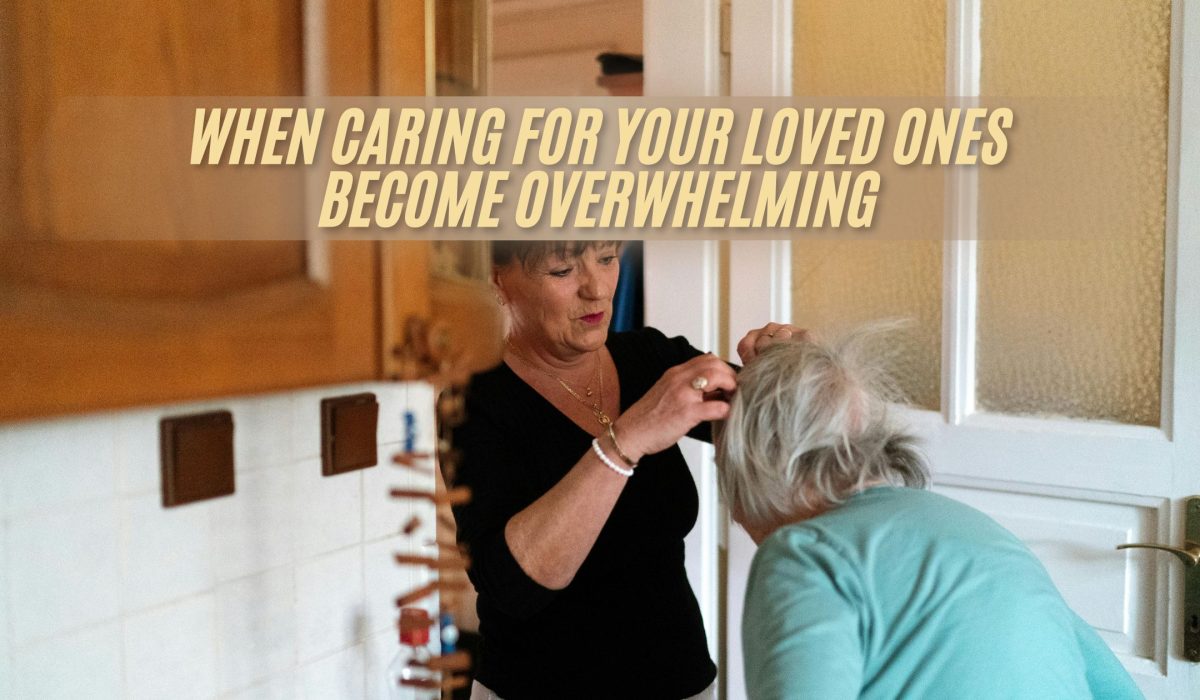
Caring for your loved ones is often described as an act of love, patience, and devotion. Knowing that you’re making a difference in the life of an aging loved one and helping them live it by taking care of them feels very rewarding. Over time, however, it does get tiring. The long hours, constant worry, and balancing your own responsibilities while taking care of them eventually stack up and weigh you down. That’s what’s known as caregiver burnout. Even the most dedicated caregivers aren’t immune to it.
If caregiving feels like a full-time job, that’s because it often is. In the U.S. alone, nearly 24% of adults providing care spend 40 or more hours a week on it. Many report poor health, sleep loss, or serious financial strain. If you’ve ever felt drained, overwhelmed, or even guilty for needing a break, you’re not alone. Many caregivers experience the same struggles, and recognizing the signs of burnout is the first step toward finding balance and getting the support you need.
Understanding Caregiver Burnout
What is Caregiver Burnout?
Caregiver burnout is a state of chronic stress and exhaustion that affects family members providing care. It’s more than feeling tired after a long day. Rather, it’s when the physical, emotional, and mental strain of caregiving builds until you feel drained and detached, or even resentful.
Think of it like a running car that never refuels. It sputters, it loses power until eventually, the engine stops. In the same way, caregiving without rest and support leads to burnout.
Why Family Caregivers Are Especially Vulnerable
Family caregivers often face unique pressures that make burnout more likely:
- Part of the sandwich generation – you may be caring for aging parents while raising children and working full-time.
- Chronic illness or high-dependency care – providing daily care for someone with dementia, disability, or a serious illness demands constant attention and often medical/technical tasks.
- Emotional and financial strain – watching a loved one’s health decline is emotionally taxing. Add that to the medical bills or lost work hours, and stress builds.
These pressures pile up. It’s not just what you’re doing, but how long, how intensely, and with how little rest or backup.
Recognizing the Signs of Caregiver Burnout
Spotting the signs of caregiver burnout early gives you the best chance to protect both your health and the quality of care you provide. Just as you’d watch for symptoms of an illness, paying attention to your own emotional, physical, and behavioral changes helps you step in before stress takes a heavier toll. Experts often group these symptoms into three categories:
Emotional Symptoms
- Irritability or frequent mood swings
- Guilt when taking time for yourself
- Anxiety about the future
- Emotional detachment from your loved one
Physical Symptoms
- Constant fatigue or low energy
- Headaches or muscle pain
- Changes in appetite
- Trouble sleeping
Behavioral Symptoms
- Withdrawing from friends or hobbies
- Neglecting your own medical appointments
- Snapping at others or losing patience quickly
These patterns often signal caregiver fatigue, which is an early stage of burnout. If you ignore them, the stress can escalate into more serious health problems like chronic anxiety, depression, or even heart issues.

Common Causes and Risk Factors
Understanding the causes of caregiver burnout is just as important as recognizing its early signs. By identifying what puts you most at risk, you can take proactive steps to protect your health and well-being. Some of the most common risk factors include:
- Balancing multiple responsibilities – Juggling caregiving, work, and family leaves little time for recovery.
- Lack of support – Trying to manage everything alone increases stress. Many caregivers hesitate to ask for help.
- Financial pressure – Out-of-pocket costs for medical supplies, medications, and missed work add up.
- Neglect of personal health – Skipping exercise, meals, or checkups makes your body more vulnerable to stress.
Short-Term Coping Strategies
Even small steps can ease stress and prevent burnout. However, do keep in mind that they’re only temporary stop-gaps that don’t really address the big picture. Nonetheless, try these caregiver tips to help you get through the day:
- Self-care basics – Prioritize rest, regular meals, and movement. Short walks, stretching, or mindfulness exercises improve focus and mood.
- Talk to others – Sharing your struggles with trusted friends, family, or support groups helps release emotional tension.
- Delegate tasks – Ask other family members to share responsibilities, or arrange meal deliveries and transportation help.
For example, try scheduling micro-breaks each day: ten minutes alone with coffee, five minutes outside the house. Over several days, small pauses like this can reduce stress hormones. Research also shows that mindfulness for caregivers, particularly mindfulness-based stress reduction (MBSR), helps reduce anxiety and improve well-being.
These short-term adjustments won’t erase the stress, but they’ll give you a well-deserved breathing room.
Long-Term Solutions: Professional Support
When caregiving becomes too heavy, professional help provides relief. Services like home care and respite care give you time to recharge while ensuring your loved one receives proper support. For many families, home care is a cost-effective way to ensure safety and improved quality of life without unnecessary hospital visits.
What Home Care Services Offer
Home care agencies can provide:
- Part-time assistance with meals, bathing, or medication management
- Specialized care for conditions like dementia, stroke recovery, or mobility challenges
- Temporary respite care so you can take a break
Benefits of Home Care for Families
Formal home care services do more than ease the load as they reduce caregiver burnout in measurable ways. Studies also show that benefits of home care for caregivers include significantly less stress, fewer physical symptoms, and better overall health.
You’ll likely notice:
- Less chronic stress
- More time to care for yourself
- Higher quality care for your loved one
- Peace of mind knowing someone trained is helping
How to Discuss and Transition to Home Care
The idea of outside help can feel difficult to accept. Start by framing the conversation around mutual benefits:
- Talk openly with your loved one – Emphasize how care at home helps you stay healthy and present.
- Involve them in decisions – Let them help choose caregivers or schedules.
- Know what to ask – Check credentials, services offered, and emergency procedures.
Creating a detailed checklist or guide based on the top questions to evaluate home care services is essential to making an informed decision.
Encouraging Self-Compassion
It’s easy to feel guilty for needing help, but self-care is essential. Remind yourself:
- Seeking support doesn’t really mean you failed. It just means you care enough to protect your health.
- Your effort has value, even when you feel drained.
- Reflective practices like journaling can help you process emotions and recognize small victories.
Try writing down three things you did well each day (no matter how small); it could help you shift focus from guilt to gratitude. Simple practices like this remind you that progress doesn’t have to be perfect. Treat yourself with the same kindness you show your loved one.
Key Takeaways and Actionable Steps
Caring for someone you love is meaningful, but it’s also demanding. To protect your health and provide the best care possible, keep these in mind:
- Recognize early signs – Emotional strain, fatigue, and withdrawal signal burnout.
- Use short-term coping tools – Self-care, social support, and delegating tasks can ease stress.
- Plan long-term solutions – Professional home care services and respite care protect both you and your loved one.
- Practice self-compassion – Remind yourself that your health matters too.
You don’t have to carry the weight of caregiving by yourself. If the stress feels overwhelming, professional home care can step in and share the responsibility. Whether you need a few hours of respite each week or more consistent support, trusted caregivers can make sure your loved one receives the attention they need while you regain time to rest, recover, and take care of yourself.
If you’d like to explore your options, visit our Customized Care page or call 1.877.800.9990 to talk with someone who understands what you’re going through.