
Table of Contents
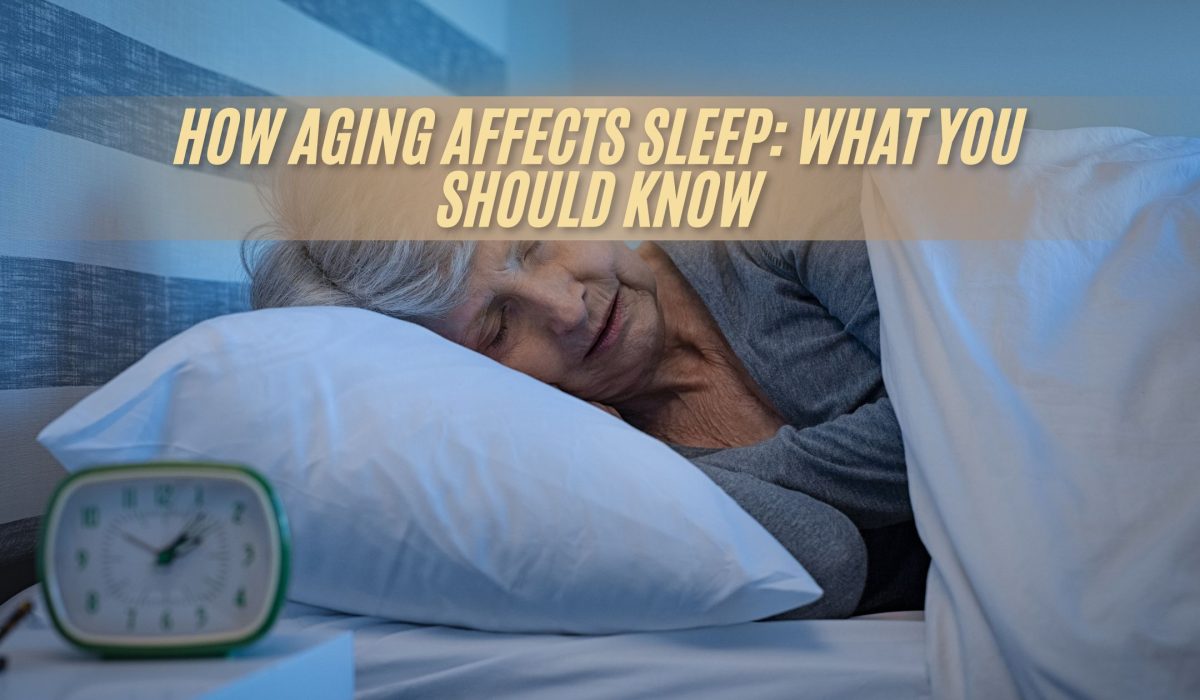
Sleep changes the same way your body does as you age. The way you sleep now is a whole lot different than when you were a child. You might have noticed your sleep getting lighter over time, or find that sleeping is way harder than it used to.
Either is frustrating, knowing that your body doesn’t work the way it used to. Sleeping is one activity that must never be ignored. But the good news–or not–is that it’s a common issue, meaning that it is well-documented. We went ahead and summarized it for you. Let’s go through them and further our understanding of sleep because the more you do, the more you can rest better.
Why Sleep Changes as You Age
As people get older, the body’s internal clock can shift. This internal clock, also called the circadian rhythm, helps control when you feel awake and when you feel sleepy. With age, some people begin feeling tired earlier in the evening and waking up earlier in the morning.
Sleep may also become lighter. Older adults often spend less time in deep sleep, which is the stage of sleep that helps the body repair, restore energy, and support overall health. These lighter stages of sleep can make it easier to wake up from noise, discomfort, temperature changes, or the need to use the bathroom.
Health conditions can also affect sleep. Arthritis, chronic pain, heart conditions, breathing problems, anxiety, depression, and frequent urination can all make it harder to fall asleep or stay asleep. Certain medications may also interfere with sleep or cause daytime drowsiness.
In other words, aging affects sleep in several ways. Some changes come from the aging process itself, while others are connected to health, habits, environment, or lifestyle.
Common Sleep Changes in Older Adults
Many older adults notice that their sleep becomes less predictable. Some common changes include:
- Waking up earlier than usual
Some people naturally start waking up earlier as they age, even if they did not plan to change their sleep schedule.
- Waking several times during the night
Sleep can become more easily interrupted, which may make it harder to get long stretches of uninterrupted rest.
- Taking longer to fall asleep
Some older adults may feel tired but still have trouble settling down once they are in bed.
- Feeling sleepy during the day
Poor sleep at night can lead to daytime tiredness as well as low energy or the need to rest more often.
- Needing naps more often
Naps can help make up for lost sleep, but long or late naps may also make it harder to sleep well at night.
- Sleeping more lightly
Lighter sleep can make a person more sensitive to sounds, light, discomfort, or other small disturbances.
- Feeling less refreshed in the morning
Even after spending enough time in bed, interrupted or poor-quality sleep can leave someone feeling tired when they wake up.
These changes can be normal, but they can still affect daily life. If you are waking often and feeling tired throughout the day, your body may not be getting the quality rest it needs. The CDC notes that good sleep is not only about duration but also about sleep quality, which is why frequent nighttime waking can still leave someone feeling drained.
Do Older Adults Need Less Sleep?
A common myth is that older adults need much less sleep. In reality, most adults still need about 7 to 9 hours of sleep each night. What changes with age is not always the amount of sleep the body needs, but how easy it is to get that sleep.
For example, an older adult may spend eight hours in bed but wake up several times throughout the night. Another person may go to bed earlier and wake up before sunrise, even if they would prefer to sleep longer. These changes can make sleep feel shorter or less satisfying.
Rather than assuming you need less sleep because you are older, it is better to pay attention to how you feel during the day. Older adults still generally need seven to nine hours of sleep, even if getting uninterrupted sleep becomes more difficult.
Why Sleep Problems Are Not Just Aging
It’s easy to blame poor sleep on aging and maybe even habits. However, not every sleep problem should be treated as “normal.”
The following may be a sign of a sleep disorder or another health concern:
- Frequent waking
Waking once in a while is common, but regular sleep interruptions can affect energy, focus, and mood during the day.
- Loud snoring or gasping during sleep
This may be a sign of sleep apnea. It is a condition that causes breathing to stop and start during sleep. It can leave a person feeling exhausted even after a full night in bed.
- Restless or uncomfortable legs at night
Some people feel the urge to move their legs when they are trying to sleep, which can make it difficult to relax or stay asleep.
- Long-term insomnia
If it often takes a long time to fall asleep, stress, pain, habits, or a sleep condition may be involved.
- Extreme daytime sleepiness
Feeling sleepy once in a while is normal, but struggling to stay awake during daily activities may be a sign that something more is going on.
These problems can happen at any age, but they may become more common or more noticeable later in life.
Why does this matter? Because some sleep problems can be treated with the right support. Aging changes sleep–yes–but it should not make good rest impossible. If poor sleep is affecting your daily life, it is worth looking deeper.
How Poor Sleep Can Affect Health
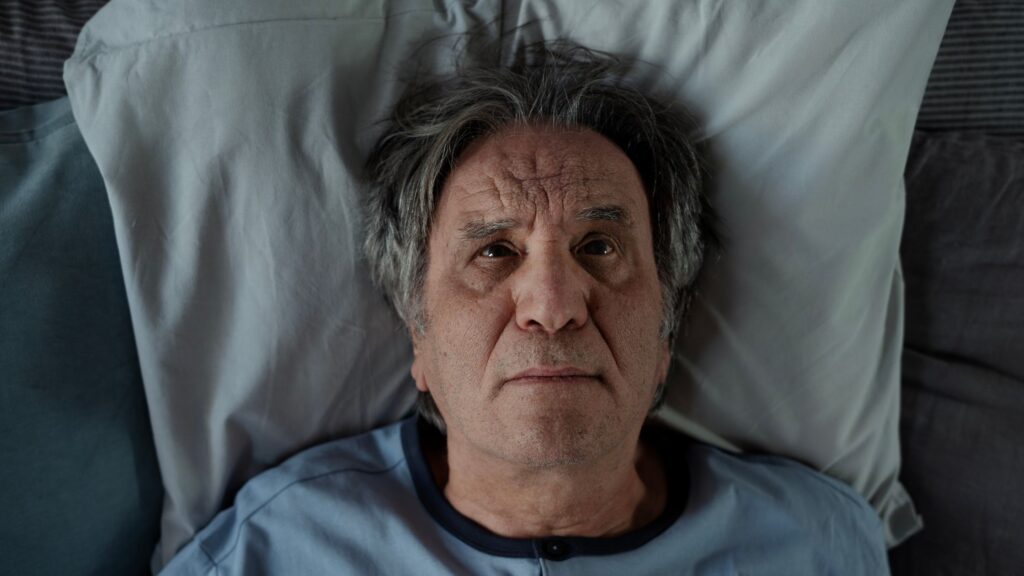
Sleep affects more than just energy. When you do not get enough restful sleep, it can affect both your body and mind.
- It can affect memory and focus.
Poor sleep can make it harder to concentrate, remember information, make decisions, or stay alert during the day. - It can affect mood.
Lack of sleep may lead to irritability, stress, anxiety, or low mood. It can also make existing emotional concerns feel harder to manage. - It can increase the risk of falls.
Feeling sleepy, dizzy, or less alert can make it harder to move safely, especially for seniors who already have balance or mobility concerns. - It can affect the immune system.
Sleep helps the body recover and defend itself. Poor sleep may make it harder for the body to stay strong and respond well to illness. - It can affect heart and metabolic health.
Long-term sleep problems may place extra stress on the body and may be linked with issues involving blood pressure, blood sugar, and heart health. - It can make existing health problems feel worse.
Pain, stress, and illness can interfere with sleep, while poor sleep can make these same problems harder to cope with. This can create a tiring cycle.
Tips for Better Sleep As You Age
Small habits can make a big difference in sleep quality. These steps may help support better rest:
- Keep a regular sleep schedule.
Try to wake up and go to bed at the same time each day, even on weekends. A steady routine helps your body know when it is time to sleep and when it is time to wake up. - Get natural light in the morning.
Morning sunlight can help keep your internal clock on track. This may also make it easier to feel sleepy at the right time in the evening. - Stay active during the day.
Gentle exercise, walking, stretching, or other safe movement can help improve sleep. Try to avoid intense exercise too close to bedtime, since it may make you feel more awake. - Limit long or late naps.
Naps can be helpful, especially after a poor night’s sleep. However, long naps or naps late in the afternoon may make it harder to fall asleep at night. - Create a relaxing bedtime routine.
Reading, listening to calming music, gentle stretching, or taking a warm bath can help signal to your body that it is time to wind down. - Make your bedroom comfortable.
Keep the room cool, quiet, and dark. Supportive pillows, comfortable blankets, and a good sleeping position can also help reduce discomfort, especially for older adults who need extra support staying safe and comfortable at home during evening or overnight hours. - Watch caffeine intake.
Caffeine can stay in the body for hours. Coffee, tea, chocolate, and some soft drinks may make it harder to fall asleep if taken too late in the day. - Be careful with alcohol.
Alcohol may make you feel sleepy at first, but it can disrupt sleep later in the night and lead to more waking. - Avoid heavy meals close to bedtime.
A large meal late at night can cause discomfort, indigestion, or bathroom trips that interrupt sleep. Review nutrition tips that are fit for the current situation for better food management. - Reduce screen time before bed.
Phones, tablets, and televisions can keep the brain alert. Giving yourself screen-free time before bed can make it easier to relax.
When to Talk to a Doctor
You should consider talking to a doctor if sleep problems last for several weeks or begin affecting your daily life.
It is especially important to seek medical advice if you notice any of the following:
- You often feel very sleepy during the day.
If daytime sleepiness affects your work, driving, conversations, or daily activities, your nighttime sleep may not be restful enough. - You snore loudly or wake up gasping.
These may be signs of breathing problems during sleep and should not be ignored. - You wake up with morning headaches.
Morning headaches can have many causes, but they may sometimes be linked with poor sleep or breathing issues during the night. - You have ongoing anxiety, sadness, or stress that affects sleep.
Emotional health and sleep are closely connected. Getting support for one can often help the other. - You rely on sleep medicine regularly.
Sleep medicine may help in some cases, but regular use should be discussed with a doctor to make sure it is safe and appropriate. - Your sleep changed after starting a new medication.
Some medications can affect sleep quality, energy, or alertness. A doctor may be able to adjust the timing, dose, or treatment plan.
If sleep problems are starting to affect your loved one’s mood, balance, energy, hygiene, meals, or ability to manage daily routines, it may be time to look at the bigger picture. These changes may also be among the signs your elderly parent may need home care, especially when poor sleep begins to affect their safety or independence.
Final Thoughts
Sleep and aging don’t have to be at war with each other.
Yes, your sleep will change as you get older. Yes, you might wake up tired or feeling different from time to time. But if the changes start to get debilitating and become a consistent inconvenience to you, something is calling your attention.
Pay attention to the patterns. Don’t ignore the signs. Listen to what experts recommend and you’ll find yourself getting a better rest.
At Absolute Home Care, we understand how important rest is to healthy aging. Our caregivers can help older adults build safer, more comfortable routines that support better sleep, from evening assistance and medication reminders to mobility support, light housekeeping, companionship, and overnight care.
If you or a loved one is having trouble sleeping or needs extra support at home, call us at 1.877.800.9990 or visit our Customized Care page to learn how our home care services can help each day–and night–feel a little easier.