
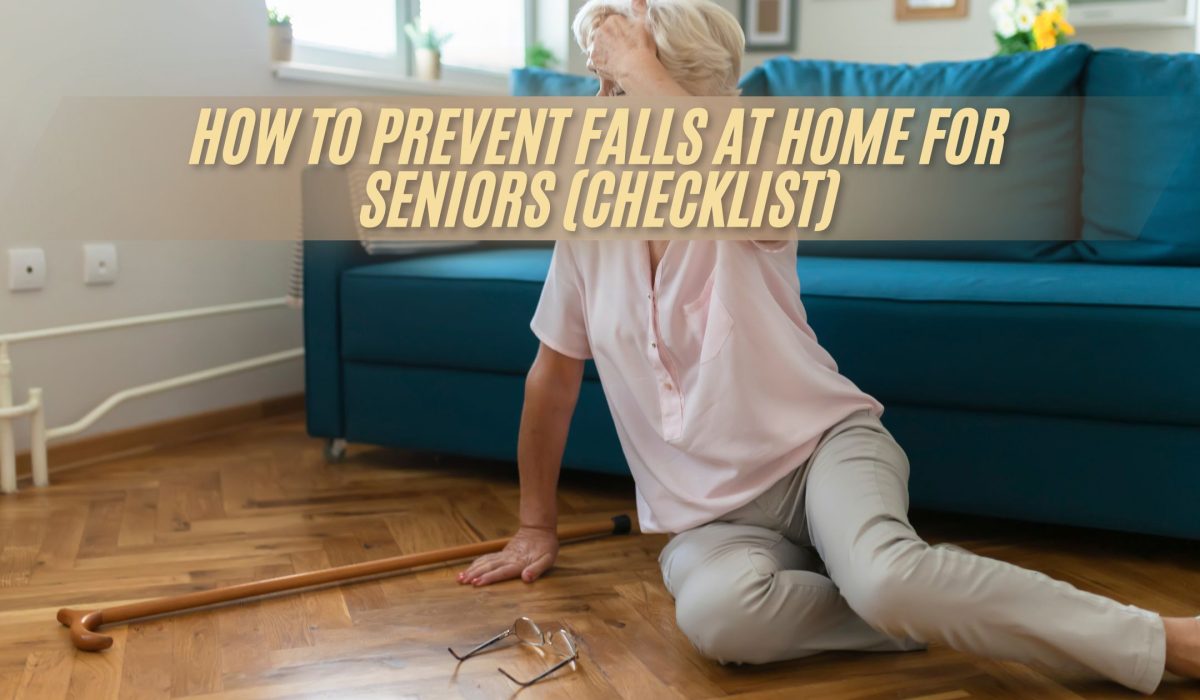
The more your parents age, the more they are at risk from falls. Their bodies can’t take the same punishments anymore. A single fall’s effects can be felt for months–or even permanently.
According to the Centers for Disease and Control Prevention (CDC), one in four adults aged 65 and older experiences a fall each year, and falls remain the leading cause of injury among older adults. Many of these incidents happen at home and are often preventable with simple safety improvements.
If you’re caring for an aging parent or another older loved one, making a few thoughtful changes around the house can significantly reduce their risk of injury and help them stay independent for longer. That’s why we offer you a senior fall prevention checklist that’ll help you walk through each area of the home. Anything to help create a safer living environment for your loved one.
Before You Start Your Home Safety Walkthrough
You don’t need special equipment to complete this checklist.
Bring:
- A notebook or phone to jot down concerns
- A flashlight to check dim areas
- Your phone’s camera to photograph hazards for later
- Your loved one, if they’re comfortable walking through the home with you.
As you go through each room, don’t just look for obvious hazards. Pay attention to how your loved one moves around the space. Do they hesitate before climbing stairs? Hold onto furniture? Avoid certain rooms altogether? If so, then that’s a sign for you to check things.
Room-by-Room Fall Prevention Checklist
Entryway & Front Door
The entrance is the first place your loved one navigates every time they leave or return home.
Safety Checklist
- Handrails feel sturdy and secure.
- Walkways are free of cracks or uneven pavement.
- Outdoor lighting works properly.
- Doormats lie flat without curling.
- Shoes, umbrellas, and packages aren’t left in walking paths.
- Steps remain dry and free of leaves or debris.
If you checked “No” to any of these items:
Addressing entryway hazards early can reduce slips your loved one even gets inside.
Living Room
Because seniors spend so much time here, even small hazards can increase the risk of falling.
Safety Checklist
- Rugs are secured with non-slip backing.
- Electrical cords stay against walls.
- Furniture allows wide walking paths.
- Frequently used items are easy to reach.
- Floors remain free of clutter.
- Lighting is bright enough in the evening.
What Did You Observe?
While sitting down or standing up, does your loved one:
- Push heavily on furniture?
- Lose balance after standing?
- Reach for nearby objects for support?
These may indicate declining strength or balance.
Kitchen
Daily routines like cooking should feel safe–not stressful or terrifying at the very least.
Safety Checklist
- Everyday dishes are stored between waist and shoulder height.
- Heavy cookware isn’t stored overhead.
- Floors stay dry.
- A sturdy step stool is available if needed.
- Frequently used appliances remain within easy reach.
Watch for These Habits
Do they:
- Climb on chairs instead of using a step stool?
- Carry multiple items at once?
- Rush when preparing meals?
Behavioral habits often contribute to falls just as much as home hazards.
Bathroom
Bathrooms combine water, hard surfaces, and limited space, making them one of the highest-risk areas for falls.
Safety Checklist
- Grab bars remain securely fastened.
- Non-slip mats stay flat.
- Shower chair feels stable.
- Towels and toiletries are within easy reach.
- The toilet is easy to sit on and stand from.
- Floors stay dry after bathing.
Try to Look for These
Notice whether your loved one hesitates before stepping into the shower or needs extra support getting out. Changes like these may suggest it’s time to reassess their bathing routine.
Bedroom
Many falls happen during nighttime trips to the bathroom.
Safety Checklist
- Pathway to the bathroom stays completely clear.
- A bedside lamp or motion-activated nightlight works.
- Phone is within reach.
- Bed height allows both feet to rest flat on the floor before standing.
- Shoes or slippers with non-slip soles are nearby.
Ask Yourself
Ask your loved one or try to recall if they’ve mentioned the following:
- Do they feel dizzy after getting out of bed?
- Do they rush to the bathroom during the night?
Aside from what they mean, both situations can increase fall risk.
Hallways & Stairs
These transition areas deserve more attention than you think.
Safety Checklist
- Handrails are secure.
- Stair lighting works properly.
- Nothing is stored on steps.
- Carpet remains firmly attached.
- Stair edges are clearly visible.
Outdoor Areas
Don’t forget the spaces outside the home.
Safety Checklist
- Driveways remain even.
- Garden hoses are stored away.
- Leaves and moss are removed promptly.
- Outdoor lighting works every evening.
- Mailboxes and trash bins can be reached easily.
Monthly Caregiver Observation Checklist
Beyond inspecting the home, take note of changes in your loved one’s mobility.
During the past month, have you noticed any of the following:
- They stumbled or almost fell.
- They’re holding onto furniture more than often.
- They’re avoiding stairs.
- They seem more tired when walking.
- They’re reluctant to leave the house.
- They’ve started shuffling instead of lifting their feet.
- They complain of dizziness.
- They started taking medications recently.
If several of these apply, it may be time to act. speak with their healthcare provider or review their care needs. Rather than waiting until a fall results in an ER visit.
Habits That Help Prevent Falls
Sometimes, despite your best efforts, you may notice your loved one continues to struggle with mobility or confidence.
Encourage your loved one to:
- Stay physically active through balance or strength exercises.
- Wear supportive, non-slip footwear indoors.
- Schedule regular vision and hearing checkups.
- Review medications with their healthcare provider to identify side effects that may affect balance.
- Maintain healthy nutrition for seniors to support muscle strength and bone health.
These healthy habits work alongside a safe home to lower fall risk.
When Home Safety Changes Aren’t Enough
Sometimes, despite your best efforts, you may notice that your loved one continues to struggle with mobility or confidence.
If your monthly inspections reveal recurring hazards–or if you’re noticing more near-falls than before–it may be time to consider additional support.
Professional caregivers can assist with the following:
- Mobility
- Personal care
- Medication
- Everyday activities that become more difficult over time
They can also help you monitor changes that may otherwise go unnoticed between family visits.
If you’re unsure whether now is the right time, watch for signs your elderly parent may show or explore how home care support can help older adults remain safe and independent at home.
Make Your Loved One’s Home Safe for Them
Preventing falls isn’t about making your loved one’s home perfect overnight. You don’t have to spend much or majorly renovate their home either. All that matters is that you’re consistently noticing small changes–both in the home and in your loved one’s abilities–before they lead to a serious accident.
By setting aside just a few minutes each month to complete this checklist, you can take a proactive role in protecting your loved one’s safety while helping them continue living comfortably at home.
Keeping your loved one safe at home doesn’t have to fall entirely on your shoulders. If you’re starting to think your loved one needs extra support, Absolute Home Care is here to help. Call 1.877.800.9990 or visit our Customized Care page to learn how we can create a safer home tailored to your loved one.