
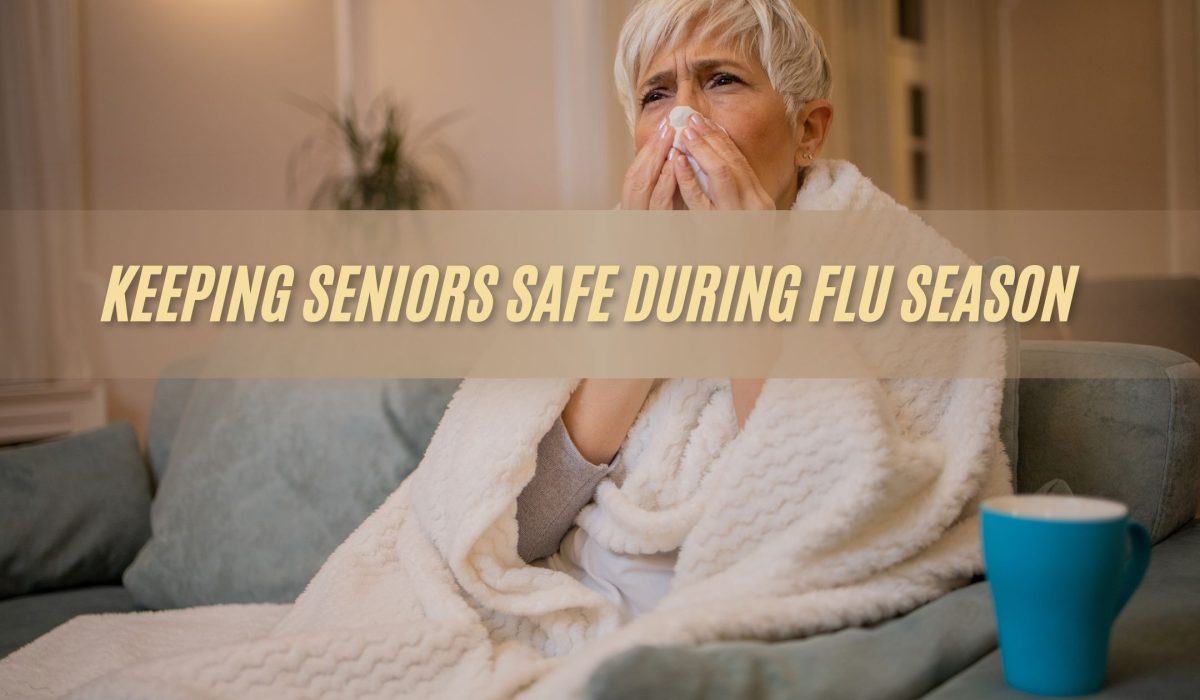
The flu season is getting more apparent the closer we get to winter. With the cold allowing for influenza viruses to thrive coupled with the fact that families spend more time indoors this time of the year, which makes it easier for the virus to spread. This is especially risky because seniors aren’t as robust as they were before, and are more likely to develop complications given their age. That’s why flu prevention for seniors matters most before anyone in the family gets sick.
In this guide, we’ll explore everything you need to know to keep your loved ones protected, healthy, and thriving throughout the flu season.
Why Flu Season Can Be Risky for Seniors
Influenza can affect any person of any age, but adults 65 and older are more likely to develop serious complications.
All our bodies age due to the accumulation of molecular and cellular damage over time. Along with our physical and mental capacity, our immune system deteriorates as well. That is why, as we grow older, we become more vulnerable to diseases and the natural realities of aging and mortality.
On top of that, even a flu infection can prove to be fatal to older adults–worse if they already have chronic conditions.
Complications can include the following:
- Pneumonia
- Dehydration
- Worsening conditions (such as heart or lung disease)
Because of this, prevention and early treatment are especially important for seniors.
How Can Older Adults Prevent the Flu?
Vaccines are–and always will be–your best preventive step against flu. According to the CDC, getting vaccinated each year is the single best way to reduce the risk of seasonal flu. Flu vaccines contain either killed or weakened influenza virus, or harmless pieces of it. It teaches the immune system to recognize the virus as a threat so it can produce antibodies as soon as two weeks after the vaccination. That way, your body is ready when you’re exposed .
And no, there’s no need for you to be worried. Flu vaccines are completely incapable of giving you the flu. At best, you’ll only get a sore arm and a low fever that wouldn’t last long.
Ideally, you should take flu vaccines yearly, but everyday habits can also reduce exposure.
Older adults and their caregivers can:
- Avoid close contact with people who are sick when possible.
- Wash hands regularly with soap and water.
- Avoid touching the eyes, nose, and mouth with unwashed hands.
- Cover coughs and sneezes.
- Improve indoor air by bringing in fresh outdoor air when practical or using other cleaner-air strategies.
- Stay away from others when sick to reduce the chance of spreading infection.
Staying healthy overall also helps by observing proper nutrition and getting enough sleep. A healthy body can fight off infection better. Family members and caregivers can also help protect seniors by following the same precautions themselves.
Flu Vaccination for Seniors
Annual flu vaccination is especially important for adults 65 and older.
For the 2026-2027 U.S. flu season, the CDC preferentially recommends one of three vaccine types for people in this age group: a high-dose inactivated vaccine, a recombinant vaccine, or an adjuvanted inactivated vaccine.
These vaccines are designed to produce a stronger immune response in older adults. If one of the preferred vaccines is not available, however, the CDC advises using another age-appropriate flu vaccine rather than delaying vaccination.
For most older adults, September and October are generally good times to get vaccinated, with vaccination ideally completed by the end of October. That being said, it’s still worth getting the shot even if the window has passed because being late is better than being sorry. Flu viruses will continue to circulate until the season finishes.
Recognizing Flu Symptoms in Seniors
Your usual suspects for common flu include:
- Cough
- Sore throat
- Runny or stuffy nose
- Muscle aches
- Headache
- Fever or chills
Seniors, on the other hand, experience the flu a little bit differently. For example, some of them may have influenza without a noticeable fever. On top of that, they may also show less typical signs such as loss of appetite, confusion, or changes in behavior – which is a more common occurrence the older a person gets.
Having said that, flu symptoms can also overlap with COVID-19 and other respiratory infections, so symptoms alone may not always reveal the cause.

What to Do If a Senior Gets the Flu
Sometimes, it happens even to the best of us. If the flu somehow got through with every precaution, a prompt reaction can stop it from turning to an even worse complication.
- Call their doctor early. Given their age, don’t risk it and wait to see if it passes. Adults 65 and older simply are at a higher risk of complications.
- Ask about antiviral medication. Prescription antiviral drugs work best when started within two days of getting sick. If they’re past that window, see what the doctor can recommend.
- Encourage rest and fluids. Water, broth, or other fluids can help as long as they’re taken in small, frequent sips if their appetite is low. If your loved one has a heart or kidney condition, please ask the doctor how much fluid is right for them first.
- Check with a pharmacist before giving over-the-counter medicines. This is especially important if your loved one already takes medications–some medicines may negatively interact with each other. Ask doctors and pharmacists for recommended dosages because it’s easy to go over or go under, making the medicine ineffective at best, or complicate things at worst.
- Keep their contact with others to a minimum. Being exposed to other people can either worsen their condition or infect others who are healthy. Unless absolutely necessary, please have them stay inside their homes until their symptoms are improving and they’ve been fever-free for about 24 hours without fever-reducing medicine.
- Keep track of how they’re doing. If it doesn’t sound too much, keep a log of their temperature, how much they’re eating and drinking, and any changes in alertness. It would help you and their doctors to decide what to do next.
When Should a Senior See a Doctor?
If the flu gets any worse, don’t hesitate to call 911 or to go to the emergency room if your loved one shows any of these emergency signs:
- Difficulty breathing or shortness of breath
- Persistent pain or pressure in the chest or abdomen
- New confusion, or difficulty waking up or staying alert
- Persistent dizziness or seizures
- Not urinating (can signal dehydration)
- Severe weakness, unsteadiness, or muscle pain
- Fever or cough that improves, then returns and/or gets worse
- A chronic condition, such as heart disease or diabetes, that suddenly gets worse
Staying Ahead of Flu Season
We’re just starting with the flu season, but that shouldn’t be a constant source of worry for you or your family. As long as you keep a proper amount of vigilance and practice anything written above–none of it has to be perfect–you can set your mind at ease and focus your time preparing for the fun holidays ahead.
If keeping up with all of this may be a lot (whether you’re working full-time, live far away, or have your own family to look after), Absolute Home Care is gladly offering its services to step in and help. Call 1.877.800.9990 or visit our Customized Care page to know more.